There is a bucket-and-spade set at the top of the suitcase. Take it out. Madeira will give your children volcanic pebbles, ocean pools carved into black lava and a sea that behaves like the open Atlantic it is. What it will not give them is a long, soft beach with a lifeguard every fifty metres. Better to know that now, at packing stage, than on the first morning.
Here is the strange part: that is precisely why the island works for a certain kind of family. If your children measure a holiday in waterslides and sandcastles, Madeira will disappoint them politely and consistently. If they measure it in things to tell their friends about, a boat, a cliff, a pool that the waves refill, it is one of the best family islands in Europe. This guide is written for the second kind of family, and honest with the first.
Madeira with children: does it actually work?
Yes, on one condition: treat it as an adventure island with a pool at the end of the day, not a beach destination. Families who base themselves in a house with a heated pool in the sunny south-west, and spend mornings on lava pools, cable cars and levadas, have superb holidays. Bucket-and-spade purists should book elsewhere.
The truth about the beaches
Let us get the sand question out of the way. Madeira has two proper golden beaches, Calheta in the south-west and Machico in the east, and both are honest about the fact that the sand arrived by ship. They work: sheltered, calm, children in the shallows until dinner. The rest of the coast is pebble, or the dark volcanic sand of Seixal in the north. Pebble beaches are better than they sound, with water shoes and modest expectations, but nobody builds a castle on them.
What the island has instead, and in abundance, is the lido: sea-water pool complexes built into the rock along the coast, with proper ladders, shallow ends and the ocean breaking safely on the far side of a wall. The most famous are the natural lava pools of Porto Moniz, in the far north-west, which the Atlantic refills with every set of waves. Children treat them as a personal discovery. Supervise them anyway: this is still the ocean, and wet lava is slippery by profession.
Madeira does not do sandcastles. It does the kind of days children narrate for years.
The base camp: a house with a pool
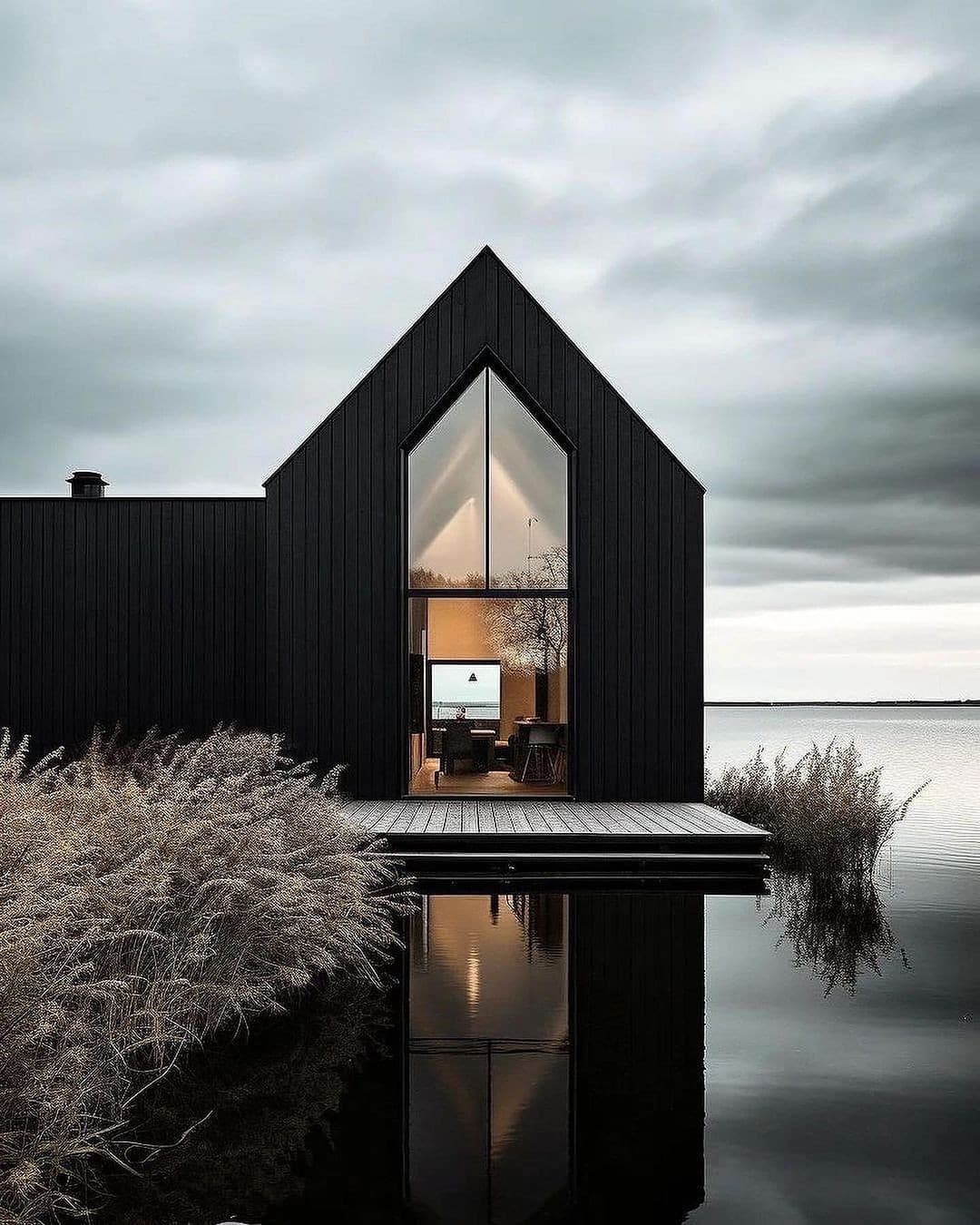
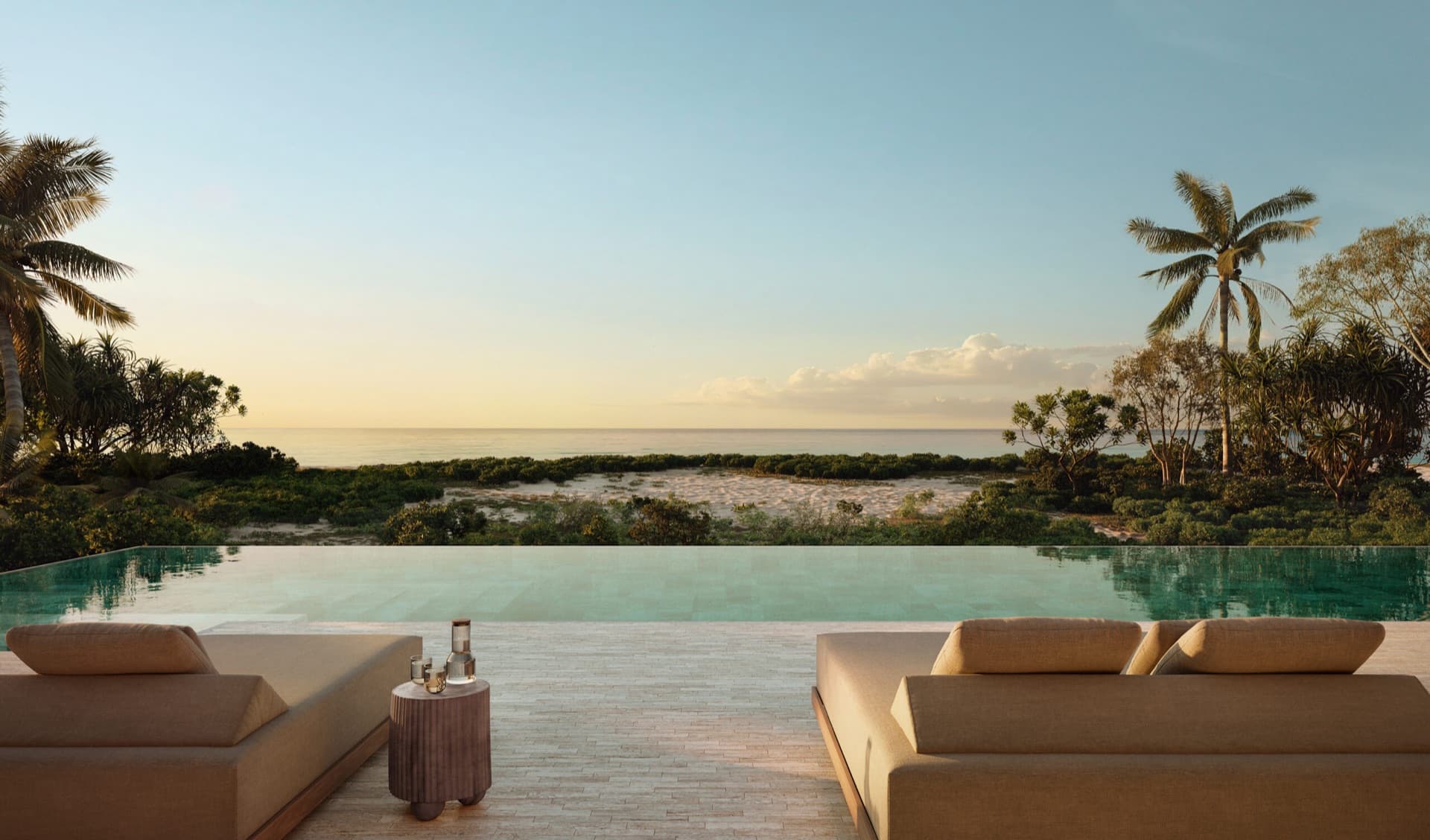
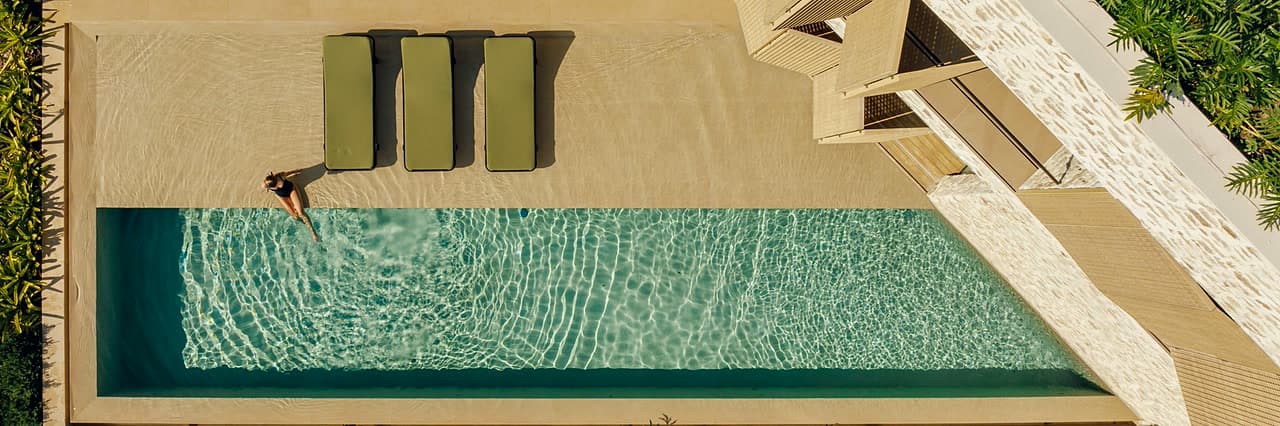
The model that works here is simple, and it is not the hotel. Morning: one adventure, chosen the night before. Back by mid-afternoon. Then the pool until the light goes. A house gives a family what a resort cannot: a kitchen for the early dinner, a washing machine for the levada mud, and a pool with nobody else in it. On this island the word heated is not a luxury detail. It is the difference between a pool the children use and a pool they look at, because the Atlantic keeps even summer water honest.
The right zone: Calheta, without much debate
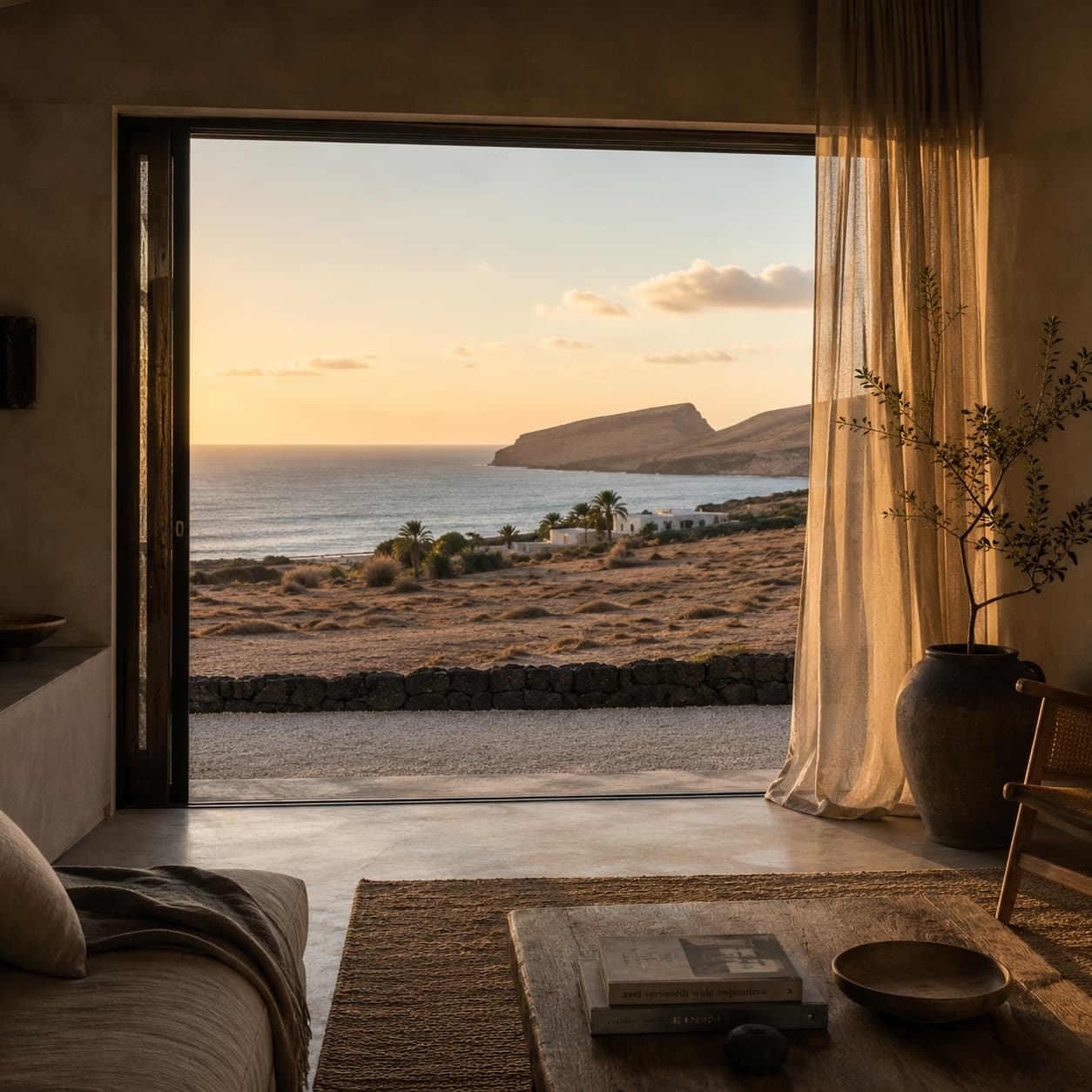
For families, the shortlist has one name on it. Calheta is the sun trap of the island's west, it holds the golden beach, and its hillsides carry much of Madeira's modern villa stock: houses of concrete and glass with heated pools, set among banana terraces, facing the long Atlantic horizon. The trade-offs are real, Funchal is thirty-five to forty-five minutes away and the evenings are quiet, but with children in the car those are not trade-offs at all. Quiet evenings are the objective.
The east, around Machico and Santa Cruz, is the pragmatic runner-up: its own sandy beach, flat seafronts and the airport about ten minutes away, which matters when you land at midnight with a sleeping four-year-old. For the full coast-by-coast argument, the guide is already written.
Adventures children actually rate
Porto Moniz first. The lava pools are the most reliable child-pleaser on the island, and the main complex normally has lifeguards through the season, which buys the adults an hour of peace. Then the cable car from Funchal up to Monte, a slow glass box over rooftops and ravines. At the top wait the Monte basket sledges: two men in straw hats push a wicker toboggan down the tarmac, and children retell the ride for years. The honest notes: it is short, it is not cheap, and in high season the queue can eat an hour. Decide with that information in hand.
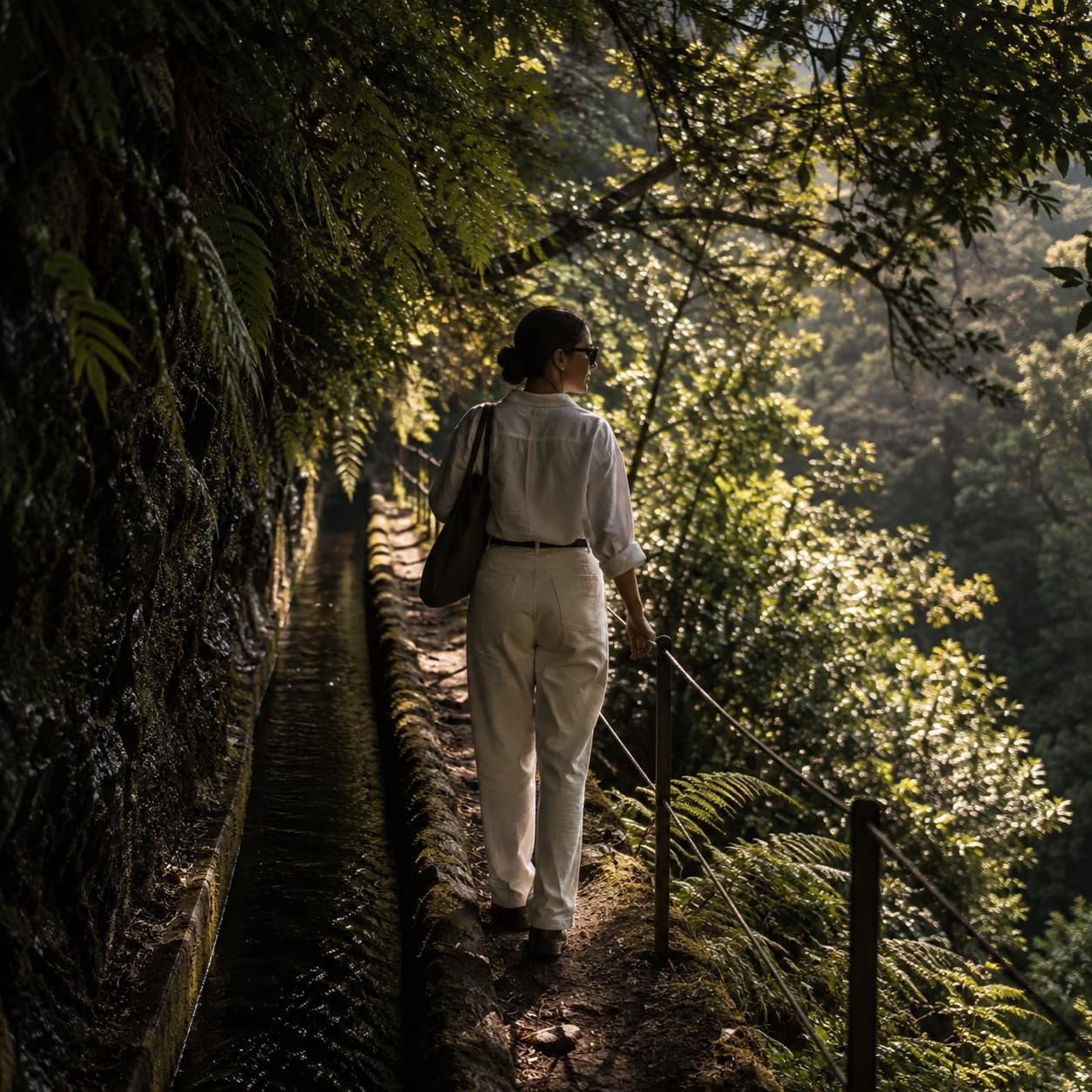
For a first levada, keep it flat and short. The Balcoes walk from Ribeiro Frio takes around half an hour each way, ends at a balcony over the valley, and at the end there are chaffinches that will normally land on an outstretched hand. It is hard to design better mountain propaganda for a six-year-old.
The boats out of Funchal and Calheta look for dolphins and whales all year, and this is where honesty matters most: sightings are likely, never guaranteed, and any operator who promises otherwise deserves suspicion. Frame it as a sea expedition rather than a delivery service and the trip cannot fail. For the days when the cloud wins, the Madeira Whale Museum in Canical is genuinely good, and Porto Moniz keeps a small aquarium, small being the operative and honest word.
Eating out with small critics
Informal is the island's default setting, which makes this the easiest chapter. Bolo do caco with garlic butter is bread, which means every child eats it. Espetada arrives as beef on a metre of iron skewer hanging from a hook, dinner and theatre at the same table. Milho frito is golden cubes of fried cornmeal, chips by another name. Restaurants do not flinch at children: this is a place where Sunday lunch is a family sport, and the bigger houses normally have high chairs. Arrive early, order the bread first, and nobody cries.
The logistics, honestly
The roads deserve a plain paragraph. The south coast runs on a modern expressway stitched together from tunnels, fast and easy. Leave it, and Madeira turns into curves: beautiful, relentless curves. If your child reads in the car, confiscate the book. Drives are short, almost everything sits within about an hour of a Calheta base, but plan one destination per day, not three. Book the child seat the moment you book the hire car, and confirm it before you fly: it normally exists, but on request.
One more pairing to avoid: a pushchair and central Funchal. The pavement is cobbled, beautiful and hostile to small wheels, and the city is built on a slope. For anyone under two, a carrier wins. And pack for four seasons whatever the month: the mountains run around ten degrees colder than the coast, and a levada inside the cloud is a different climate from the pool terrace you left an hour earlier.
When to go, with the school calendar in charge
If you are locked to school holidays, July to September is the answer, and it is a good one: the sea at its warmest, normally around 22 to 24 degrees, the most reliable pool weather, the longest days. The island is busier, but Madeira's version of busy would pass for quiet elsewhere. If your children are not yet school-age, take May, June or October instead: fewer people, softer light, and the Off-Calendar windows of reduced rates open as autumn arrives. The month-by-month case is here.
Who should not bring the family
Teenagers who measure holidays in rollercoasters. There is a modest water park near Santa Cruz, and nobody crosses an ocean for it. Madeira has no theme parks and no piers of arcades, and its idea of a thrill is a clifftop viewpoint or a wave filling a lava pool. If the brief is sand every single day, the honest answer is Porto Santo, the neighbouring island with some nine kilometres of it. And if the brief is a kids club that takes the children from nine to five, this is the wrong island altogether: Madeira assumes you actually want to spend the day together.
The thesis, then. Madeira is not a beach holiday with children. It is an adventure holiday with a pool at the end, and the families who understand that trade come back year after year. The house decides whether the model works: the heated pool, the flat garden, the bedrooms on one floor. Every home in the KIVO collection has been visited in person, across Madeira and Porto Santo, and we know which ones were built with children in mind. Tell us their ages, and we will tell you which house fits.
Written by