It is eleven at night and you have fourteen browser tabs open. Every one of them is trying to answer the same question: what is the best hotel in Madeira. Here is the uncomfortable news. It is the wrong question, and no amount of scrolling will fix it.
Madeira is not one place. It is a mountain range that happens to stand in the Atlantic, nearly two thousand metres of volcanic rock with towns clinging to its feet, and those towns live in different weather. Two villages twenty minutes apart, connected by a tunnel, can be having two different afternoons. In one of them, people are grilling limpets under a clear sky. In the other, the cloud has come down to sea level and the swell is throwing spray over the road.
So this guide will not give you a list of twenty best areas. It will make you choose a coast, then a town. And for every place it recommends, it will tell you who should not stay there. That is the part the other guides always leave out.
Where to stay in Madeira: the short answer
First trip without a car: Funchal. Families who want a pool and a sandy beach: Calheta. Just the two of you: Ponta do Sol. A real town near the capital: Câmara de Lobos. Green valleys and waterfalls, rain included: Seixal or São Vicente. Awkward flight times: Machico. The rest of this guide explains why, and who should avoid each one.
One island, five climates
The numbers first. Madeira is 57 kilometres long, 22 kilometres wide, and 1,862 metres tall at Pico Ruivo. That last figure is the one that matters. The central massif works like a wall: the north coast takes the full weather of the open Atlantic, wind, swell and rain, while the south coast sits in its shelter, drier and warmer, with a sea calm enough to swim in for most of the year. The east is flatter and breezier, and it hosts the airport. These are not subtle differences. They are different climates sharing one small island.
Altitude does the rest. Climb three hundred metres up any hillside and you change season: the pool terrace in Calheta can be at 26 degrees while the forest a few kilometres up the road sits inside a cloud. This is why lists of best areas fail here. Madeira does not have areas. It has coasts and altitudes, and the honest answer to where you should stay begins with deciding which of them you want to wake up to.
The south coast question
Here is the honest default: base your first visit on the south coast. This is not a controversial opinion, it is arithmetic. More hours of sun, a calmer sea, most of the island's good restaurants, and drive times short enough that the holiday still feels like one.
But south is not one answer, because Funchal and the south-west are two different holidays. Funchal is a small, busy capital with a working port. The south-west, from Câmara de Lobos out to Calheta and Ponta do Sol, is banana terraces, fishing villages and villas with pools, stitched together by bridges and tunnels. Choose between the two before you look at a single property. And if you came to Madeira for the green valleys and do not mind rain on the window, skip ahead: the north section of this guide was written for you.
Nobody regrets choosing the wrong hotel in Madeira. They regret choosing the wrong coast.
Funchal, honestly
Funchal is the right answer more often than seasoned travellers like to admit. It is a proper city built like an amphitheatre over a bay, with the Mercado dos Lavradores selling passion fruit in a dozen varieties, the painted doors of the Zona Velha, gardens stacked up the hillside, and the deepest bench of restaurants on the island. If this is your first visit and you do not want to drive, it is the only sensible base: everything is walkable, taxis are everywhere, and every tour and boat leaves from here.
Know that Funchal splits in two. The historic centre is where the life is. The Lido strip, west of the centre, is the hotel district: pools above the ocean, a long seafront promenade for the sunset, and mostly hotel dining. Pleasant, but if you stay there, you will still come into town to eat.
Who should not stay in Funchal: anyone picturing quiet villa mornings. This is a city, with traffic, and on days when two cruise ships come in, the centre is full before ten in the morning. Light sleepers should also be careful with rooms above the bars of the Zona Velha. The honest verdict: give Funchal two or three nights inside a longer trip, or the whole week if it is your first time and you refuse to drive.
Calheta: the family default
Forty minutes west of the capital, Calheta is the sun trap of the island's west, and it holds something Madeira almost never offers: a golden, sandy beach. The sand was shipped in, and the town does not pretend otherwise. It works. Two sheltered crescents beside a marina, calm water, children in the shallows until dinner.
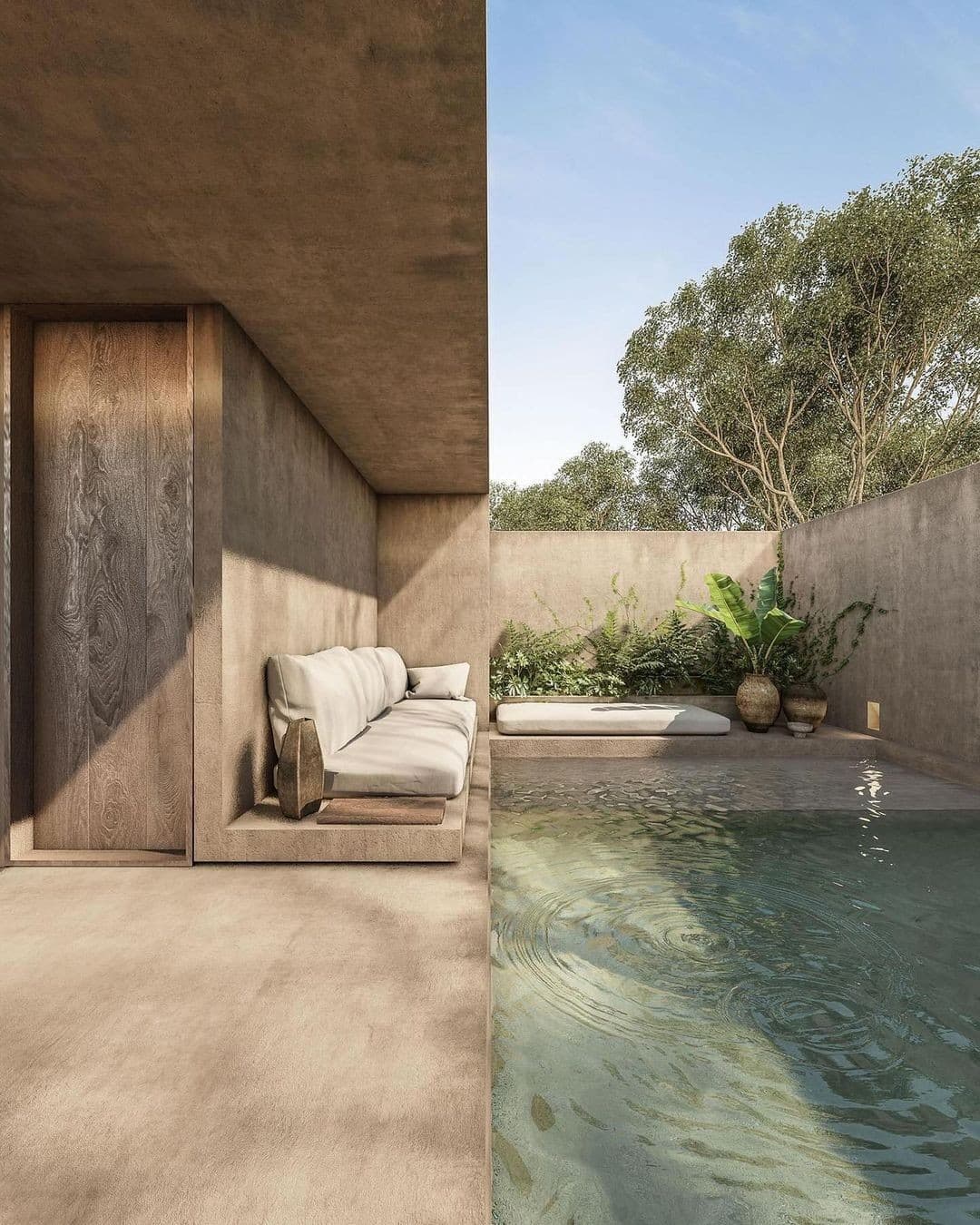
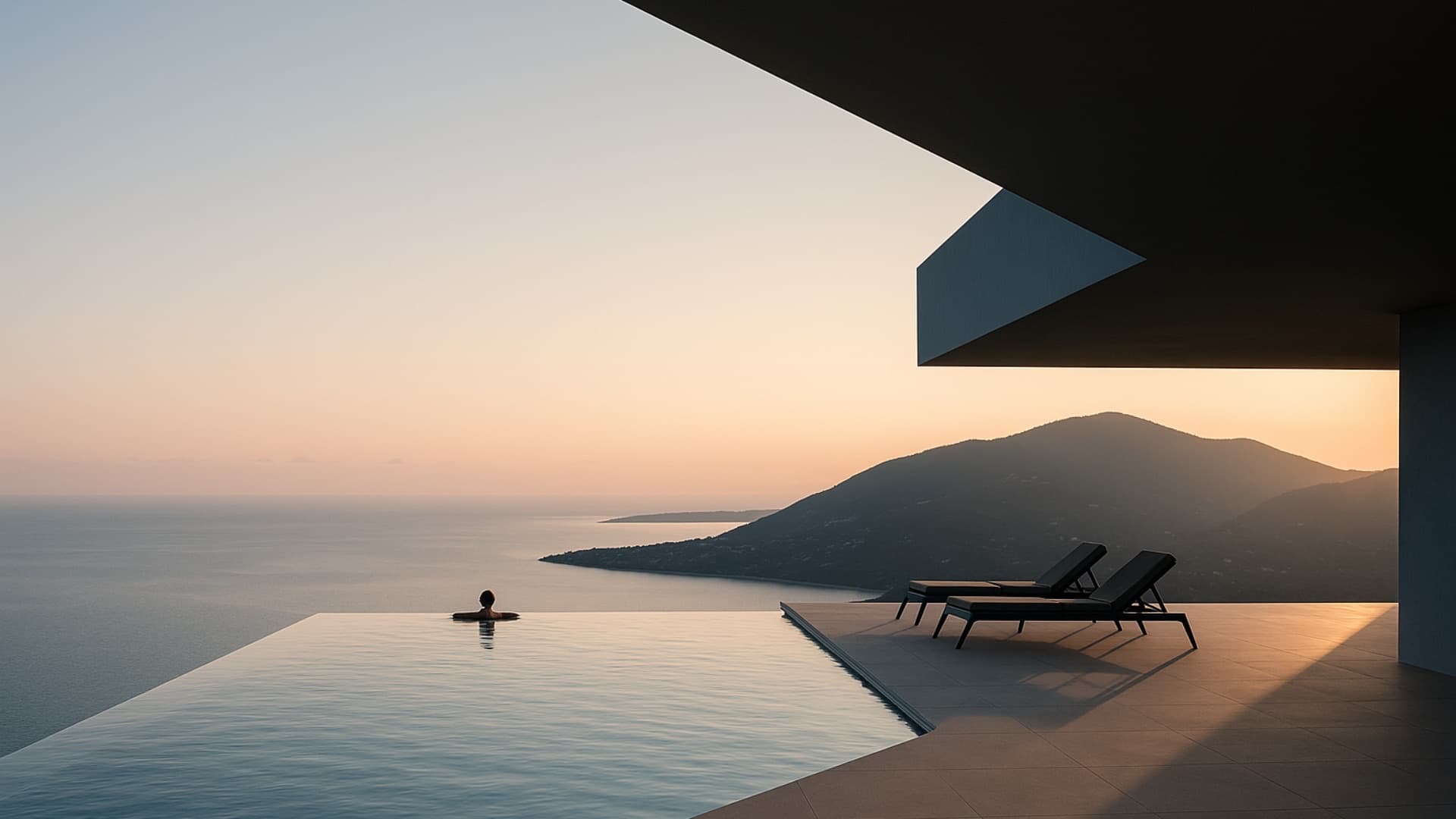
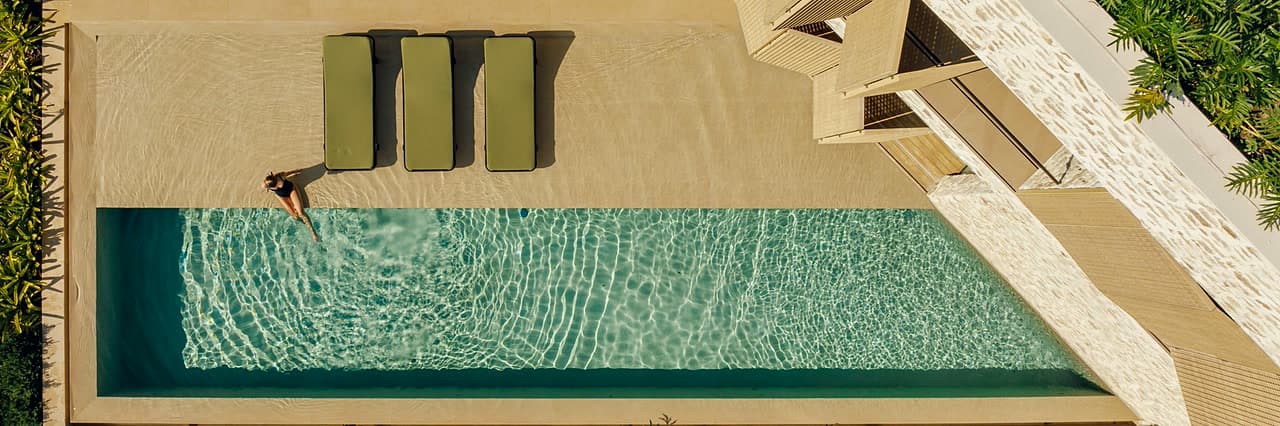
The hillsides above hold much of the island's modern villa stock: houses of concrete and glass with heated pools, set among banana terraces, most of them with the long Atlantic horizon as the fourth wall of the living room. Above it all sits Casa das Mudas, Paulo David's basalt arts centre, a reminder that this parish takes design seriously.
The trade-offs, plainly: Funchal is thirty-five to forty-five minutes away and you will drive there less often than you think. There is no real town centre to wander, and the evenings are quiet. Which is exactly why the people who choose Calheta choose it: families with children, and groups who plan to live around their own pool rather than out of a suitcase.
Ponta do Sol: built for two
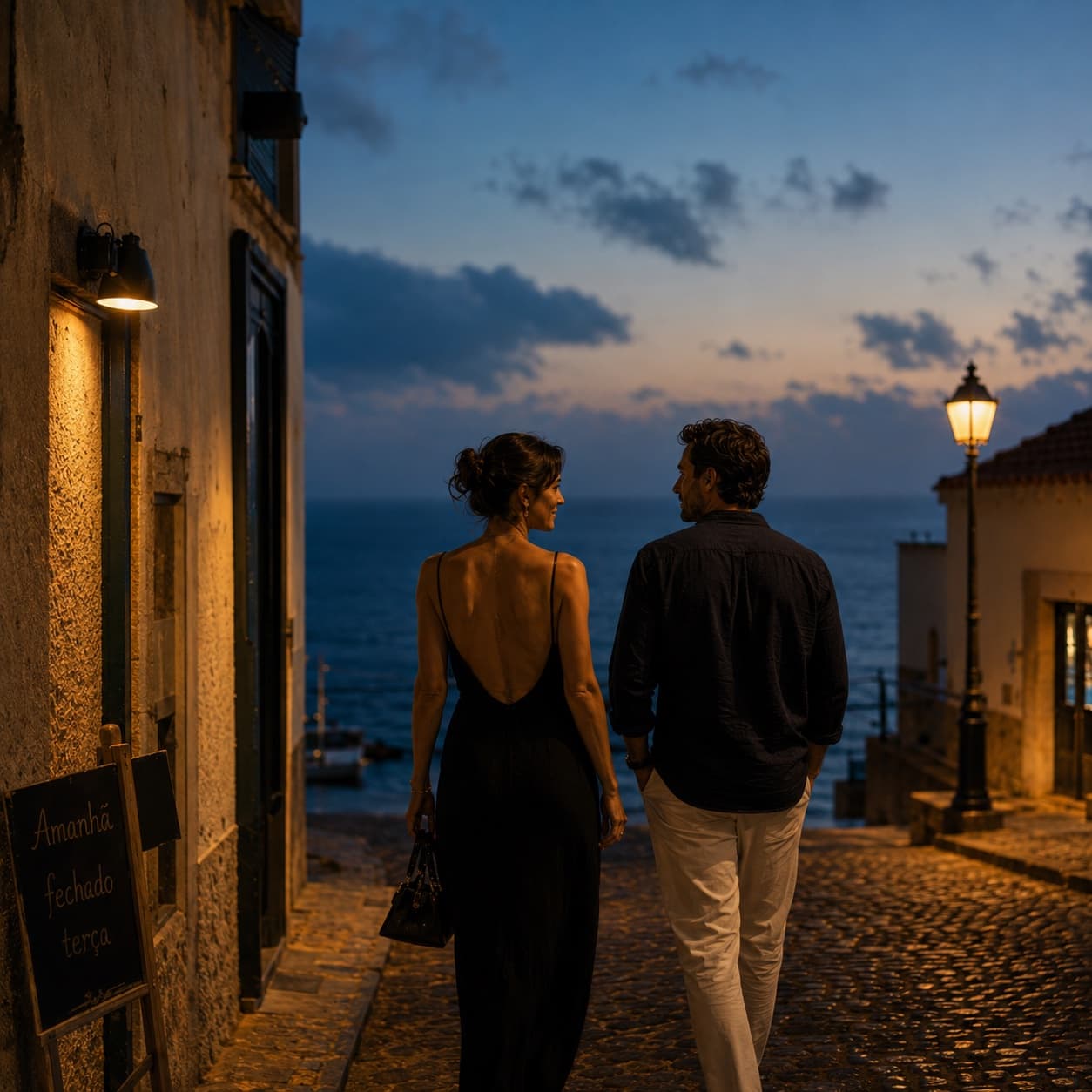
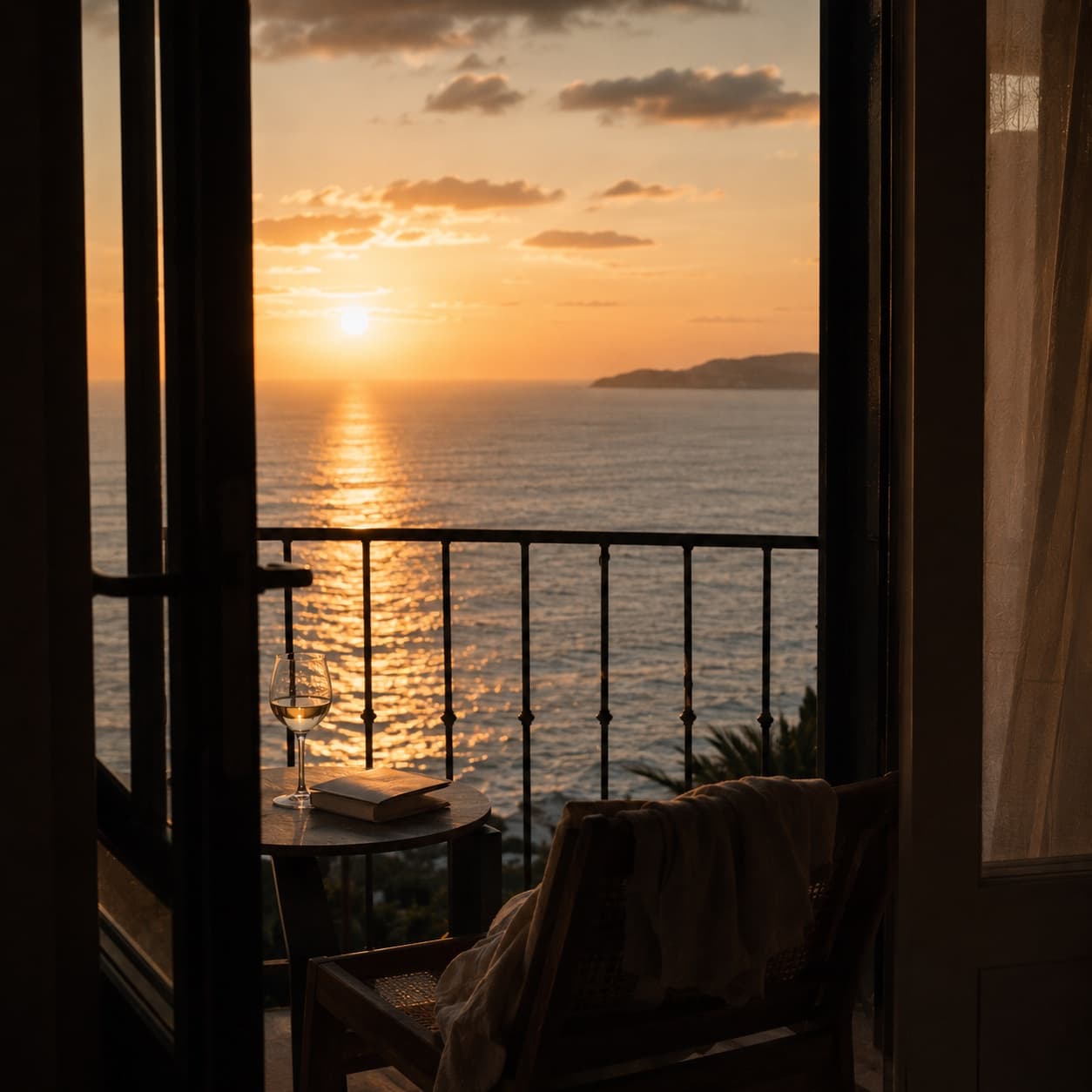
The name is a promise: sun point. Ponta do Sol is, statistically, the sunniest parish on the island, a fact the locals will mention within minutes. What you get is one narrow street of pastel houses running back from a pebble beach, a handful of bars, a cliff on either side, and sunsets that make the west of the island feel like the right side. The family of the novelist John dos Passos came from here, and the village still has that kind of quiet.
Since 2021 it has also hosted a small digital nomad village, so the café tables hold more laptops than you would expect in a village this size. Who should not stay here: anyone who needs options after ten at night, and anyone who dislikes a steep walk home. Everyone else, and especially the two of you, will struggle to leave.
Câmara de Lobos: the in-between
Fifteen minutes from Funchal, Câmara de Lobos is the fishing town Churchill sat down to paint in 1950, and most visitors still do what he did: admire it from above and move on. Their loss. Down at the harbour the boats are working boats, the black scabbard fish comes in before dawn, and the poncha bars around the slipway serve the sharpest version of the island's signature drink to fishermen and architects at the same counter.
Higher up, Estreito de Câmara de Lobos lives among the vineyards that feed Madeira wine, with quintas looking down over the bay. Stay here if you want Madeira with Madeirans in it, and Funchal's restaurants a ten-euro taxi away. Just understand what this is: a real town, not a resort. That is the entire point.
The north is not a mistake
Let us say the quiet part first. The north coast gets roughly twice the rain of the south, the sea is often too rough for swimming between autumn and spring, and there are days when the cloud simply sits at sea level and refuses to move. If you need guaranteed pool weather, stop reading and go back to Calheta.
Now the other part. The north is the Madeira from the photographs that made you book the flights. Seixal has a black sand beach and natural pools the colour of bottle glass, São Vicente sits in a valley so green it looks rendered, and Porto Moniz has lava pools that the Atlantic refills with every set of waves. Waterfalls drop beside the road, and occasionally onto it.
The tunnels changed everything: Funchal is now under an hour from Seixal or São Vicente, and only a little more from Porto Moniz, so a north-coast base is no longer a logistical sacrifice. Choose it if this is your second visit, if you carry a camera with intent, or if you are the kind of traveller for whom weather is atmosphere rather than a problem.
In defence of the east
The east is the pragmatic coast. Caniço is the closest thing Madeira has to a resort zone, with the Garajau marine reserve below it for divers. Santa Cruz is a proper local town with lido pools and aircraft on final approach overhead. Machico, in its wide bay at the eastern end, is where the Portuguese first landed six hundred years ago, and it has its own sandy beach and an easy, unhurried seafront.
When the east is the right answer: you land at midnight, you fly at six, you want a one-night bookend on either side of the trip, or you plan to walk Ponta de São Lourenço at sunrise before the coaches arrive. The honest cons: it is windier than the south-west, the planes are part of the soundtrack, and a full week here means a lot of driving to the best parts of the island.
So, where do you stay?
First trip and no car: Funchal. Children and a pool: Calheta. Just the two of you: Ponta do Sol. You want neighbours who still live there in January: Câmara de Lobos, or Estreito above it. You packed a rain jacket on purpose: Seixal or São Vicente. You land at midnight or fly out at six: Machico or Santa Cruz.
And the week rule. Staying under a week, take one base on the south coast and day-trip everywhere; the island is small enough to allow it. Staying a week or more, split the stay: south first, then north. Drying out in Funchal after three wet days in Seixal feels like defeat. Arriving in Seixal with the sun still on your skin feels like an expedition. The order matters.
So here is the thesis. Madeira is small enough that you can see all of it from any base, but you only wake up in one place. The view from the breakfast table, the sound on the other side of the window, whether the morning smells of salt or of eucalyptus: all of that is decided the moment you choose your coast. Choose the coast first. The house comes second.
It also happens to be how we built the KIVO collection. Every home in it has been visited in person, on the coast that earned it, across Madeira and Porto Santo. We know which terrace holds the morning sun and which village goes quiet in January. Tell us who you are travelling with, and we will tell you which coast fits.
Written by