Type the question into any search bar and you will get the same answer, copied from guide to guide: spring and autumn, shoulder season, avoid the rain. It is not wrong. It is just useless, because it treats Madeira like a beach destination with an on and off switch.
Madeira does not switch off. The island sits in a corridor of mild Atlantic weather that keeps it green all year: winters that rarely drop below 17 degrees by the sea, summers that rarely push past 27. What changes from month to month is not whether the island works. It is which island you get.
When is the best time to visit Madeira?
The best time to visit Madeira is May or late September: warm, luminous, and with the crowds either not yet arrived or already gone. July to September brings the warmest sea and suits families. And the quiet months from October to March are the best-kept secret in the archipelago, which is exactly when our Off-Calendar windows open. The rest of this guide is the honest month-by-month version.
There is no bad time to come to Madeira. There are wrong times for what you are coming to do.
First, the honest physics
One island, five climates, as we keep writing. The mountain wall splits the weather: the south coast sits in shelter, the north takes the open Atlantic head on, and every three hundred metres of altitude is another season. In summer, Funchal sometimes wears its capacete, a cap of cloud that sits over the bay while Calheta and Ponta do Sol bask in full sun half an hour down the coast.
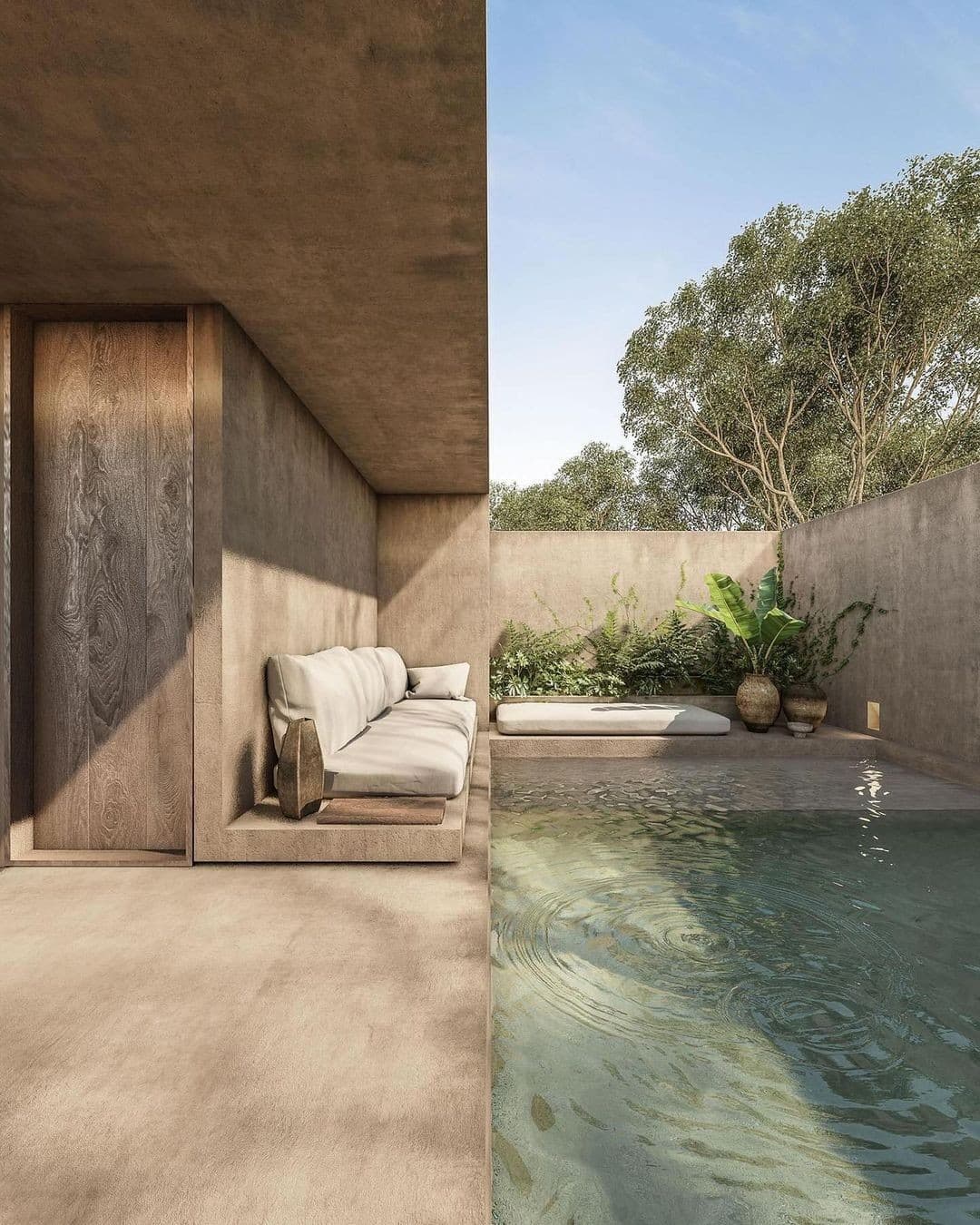
Which means the month matters less than the pairing. A February on the south coast with a heated pool is a different holiday from a February in Seixal watching the swell come in. Choose the month for what you want to do, then choose the coast to match. We wrote a separate honest guide for that second decision.
Rain, for the record: the north gets roughly twice what the south gets, most of it between October and March, and almost all of it in bursts rather than in days. The statistics scare more than the sky does.
January in Madeira
The island to itself. Days around 17 to 19 degrees by the sea, poncha weather in the hills, trails quiet enough to hear the levada running beside you. Some rain, honestly carried. We loved this month enough to write it a whole letter of its own.
Practical notes: the sea sits around 18 degrees, brave but honest, which is why the homes that earn January have heated pools and fireplaces. Flights are gentle, tables are easy, and the Off-Calendar rates are at their deepest.
February in Madeira
Carnaval fills Funchal with sequins and drums on a scale that surprises first-timers, and in the hills above Calheta the almond trees blossom white against the green. Cool, occasionally wet, entirely alive. For couples who like a place with its own life going on around them.
March in Madeira
The gambler's month. You might get a week of early spring; you might get the rain that makes the waterfalls earn their names. Everything is furiously green, prices are gentle, and the island smells of wet laurel. Pack for both outcomes and you will not regret either.
April in Madeira
Spring arrives properly. The levadas enter their prime walking window, temperatures settle around 20 degrees, and Easter fills the churches and the family tables. Late April begins the run of flowers that gives May its festival. A strong month for walkers who want warmth without heat.
May in Madeira
The first sweet spot. The Flower Festival carpets Funchal in petals in the weeks after Easter, the sea starts to invite rather than dare, and the summer crowds are still weeks away. If your dates are flexible and your suitcase is light, this is the month we would choose for you.
The practicalities: around 20 to 23 degrees on the south coast, the sea nearing 20, long usable days and every trail open. Book the festival weekend early if the flowers are the point. Skip it by a week if quiet is.
June in Madeira
Early summer without the bill. Days stretch toward 26 degrees, the Atlantic Festival sends fireworks over the bay on June Saturdays, and the sea crosses into properly swimmable. School holidays have not started yet. Groups who want summer energy without August logistics should look here.
July in Madeira
Summer, delivered. Reliable sun on the south coast, sea around 22 to 23 degrees, and jazz drifting through Funchal's gardens when the festival comes to town. Book the well-known restaurants ahead; the island is busy, but not yet full.
August in Madeira
The honest warning. August is the hottest, fullest, most expensive month, when the island belongs to its emigrants, home from Venezuela, South Africa and Jersey, and to everyone else at once. The Monte festival in mid-August is the island at its most itself. Come if August is what you have. If you can shift two weeks either way, shift.
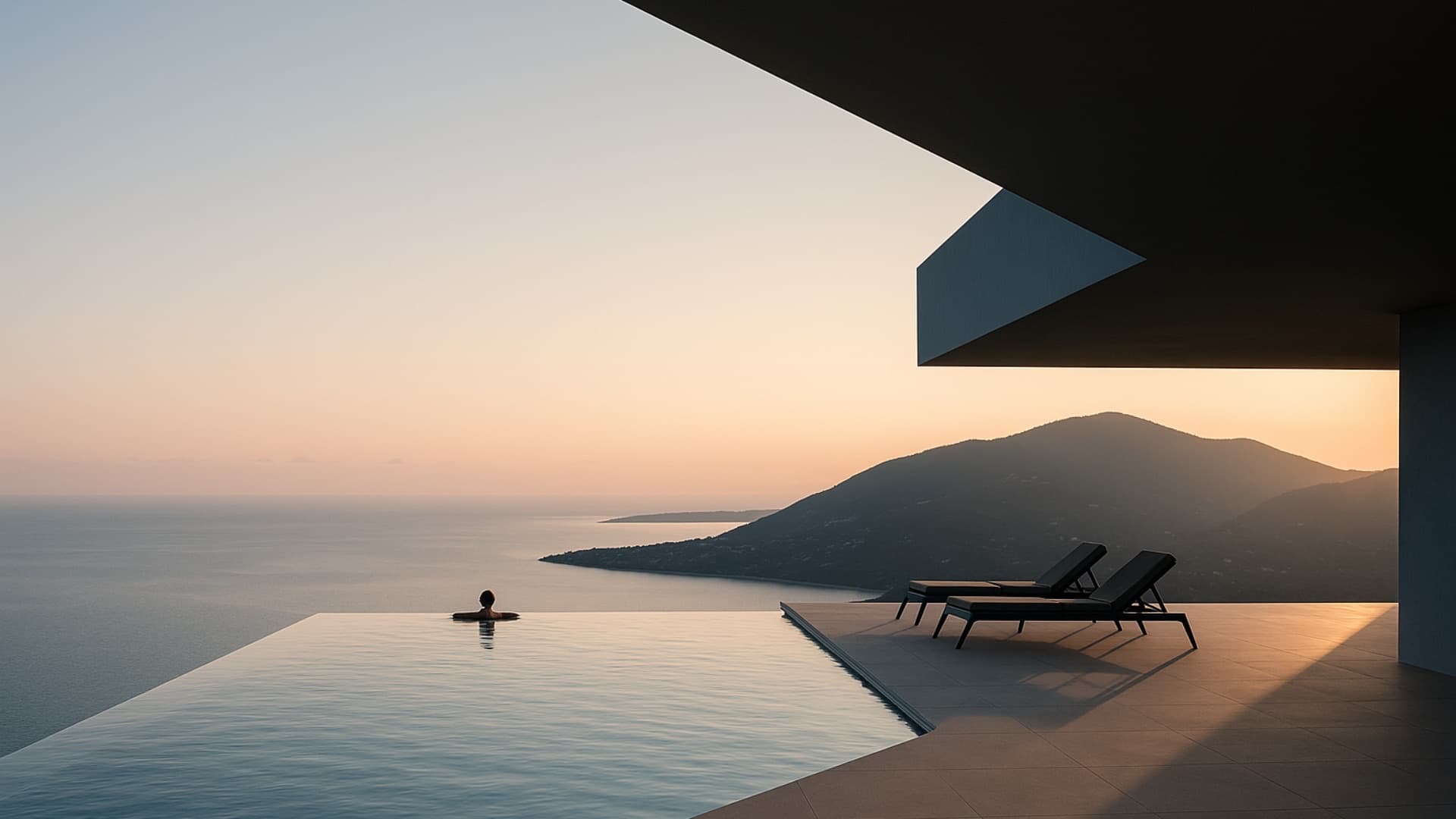
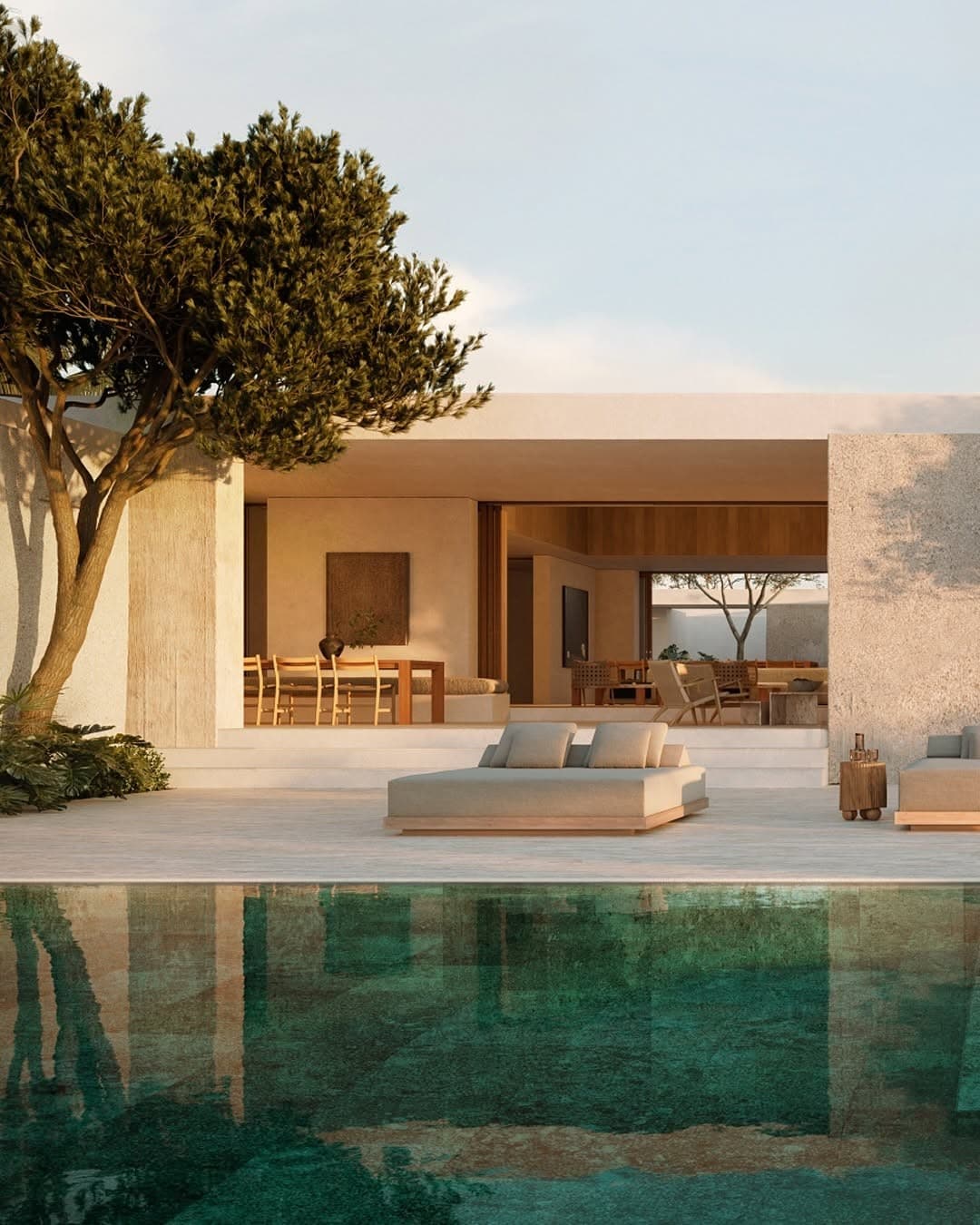
If you do come, come deliberately: book the house months ahead, walk the famous levadas at first light, and let the afternoons belong to the pool. The north coast is the escape valve; when Funchal is full, Seixal still breathes.
September in Madeira
The second sweet spot, and quietly the best sea of the year, around 23 to 24 degrees after a whole summer of warming. The crowds leave with the school term, the light turns golden, and the wine harvest comes in with a festival of its own. For couples, the strongest month on the calendar.
It is also the month the island works best as a whole: warm enough in the south to live around the pool, settled enough in the north for the road trip. If you get one week a year and want everything, spend it here.
October in Madeira
Summer's long goodbye. Early October is often indistinguishable from September; late October begins the soft turn, with the first proper rains and the first proper quiet. This is when our Off-Calendar windows start to open: the same homes, the island exhaling, rates that reward the flexible.
November in Madeira
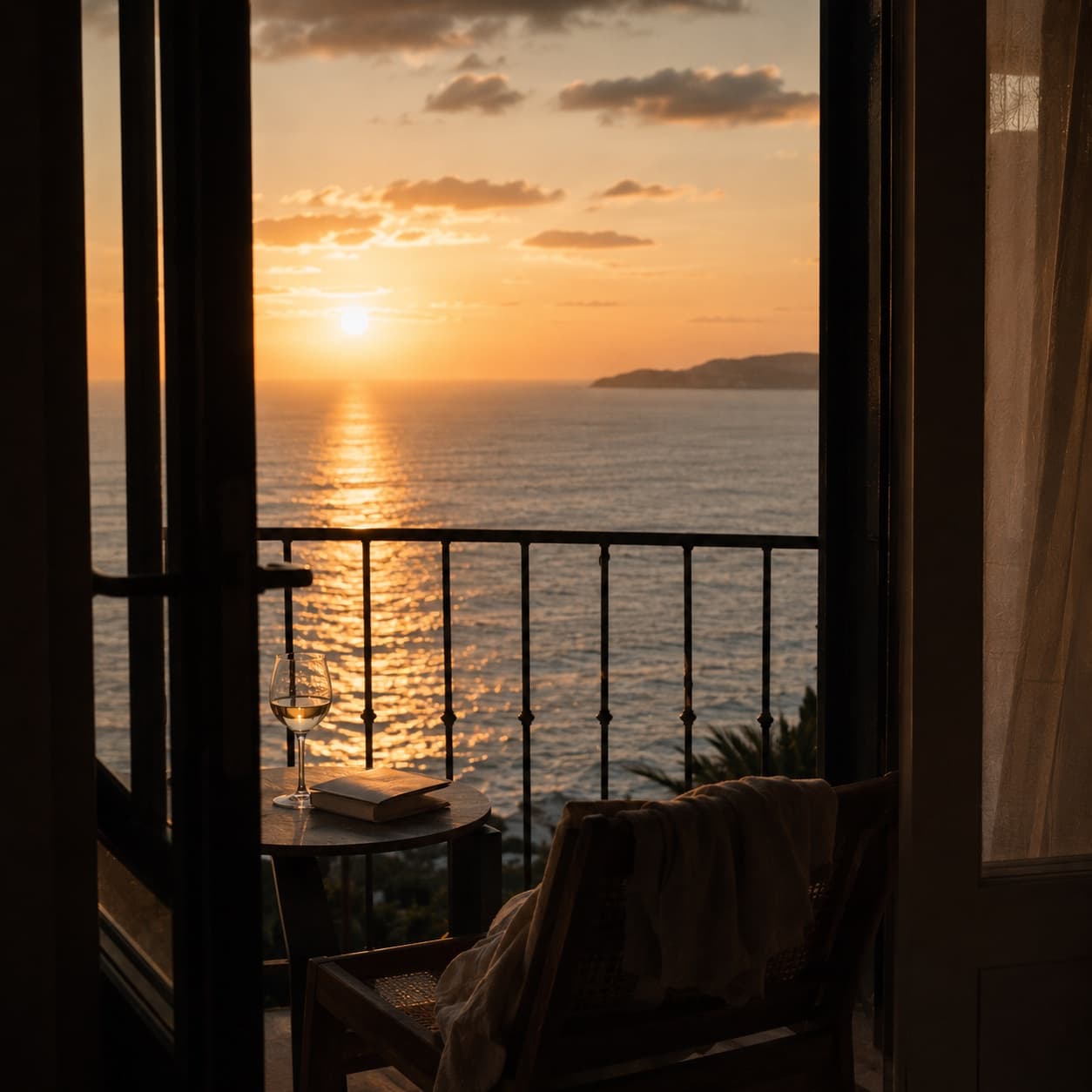
The month for readers, writers and long lunches. Chestnuts roast in Curral das Freiras at the start of the month, afternoons still touch 20 degrees, and the rain, when it comes, is a reason to light the fire in a house you chose well. The north coast is pure atmosphere. Bring a rain jacket and the book you keep postponing.
The sea, for the committed, still holds close to 20 degrees into early November, warmer than the air on some mornings. This is the month we recommend to writers on a deadline and to couples who have already seen the summer version.
December in Madeira
Two months in one. Early December is calm and softly lit, with Funchal switching on its famous Christmas lights and the old town warming toward the market night of the 23rd. From the 20th the island fills fast for the fireworks that once held a Guinness record, and prices peak with the corks. Choose your half of the month deliberately.
If the fireworks are the point, book a home with a view over the Funchal amphitheatre and accept the peak pricing as the ticket. If they are not, the first two weeks of December are one of the quietest luxuries of the European winter.
So, when do you come?
Families with children and a pool: July to September. The two of you: May, or September into October. Walkers: April to June. Readers, writers and fireplace people: November to January, skipping the New Year surge. And if you are chasing the best of the island for less: the Off-Calendar months, October to March, when the island is at its most honest and our rates say so.
Here is what the copied-and-pasted advice misses: Madeira's low season is not a compromise you settle for. It is the island with its own rhythm back, the trails empty, the restaurants unhurried, the light low and generous. The crowds are not wrong to come in August. They are just answering a different question.
That is why the KIVO collection keeps Off-Calendar windows: reduced rates on the same personally visited homes, in the months the island keeps for itself. Tell us what you are coming to do, and we will tell you the month, the coast and the house.
Written by