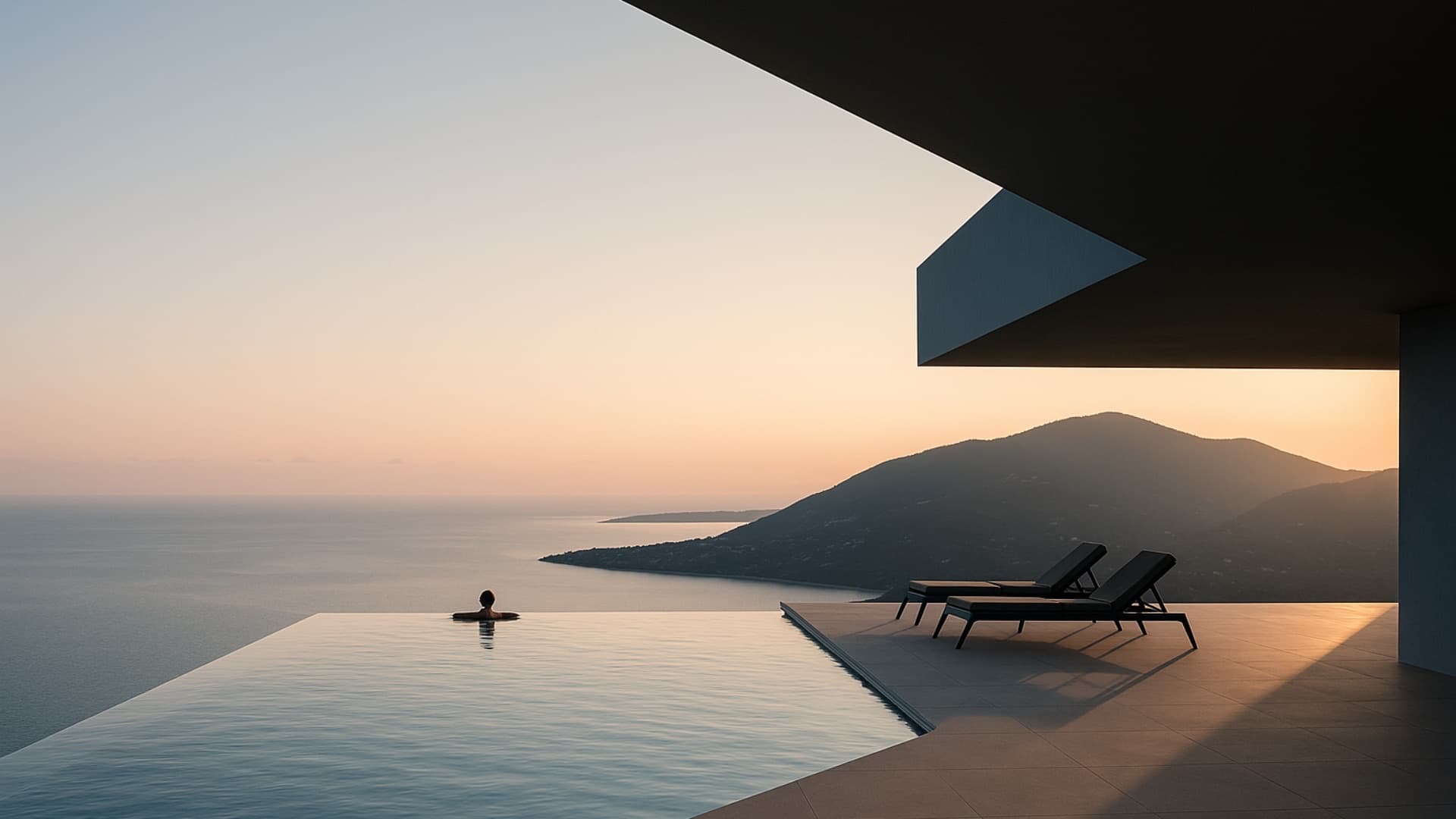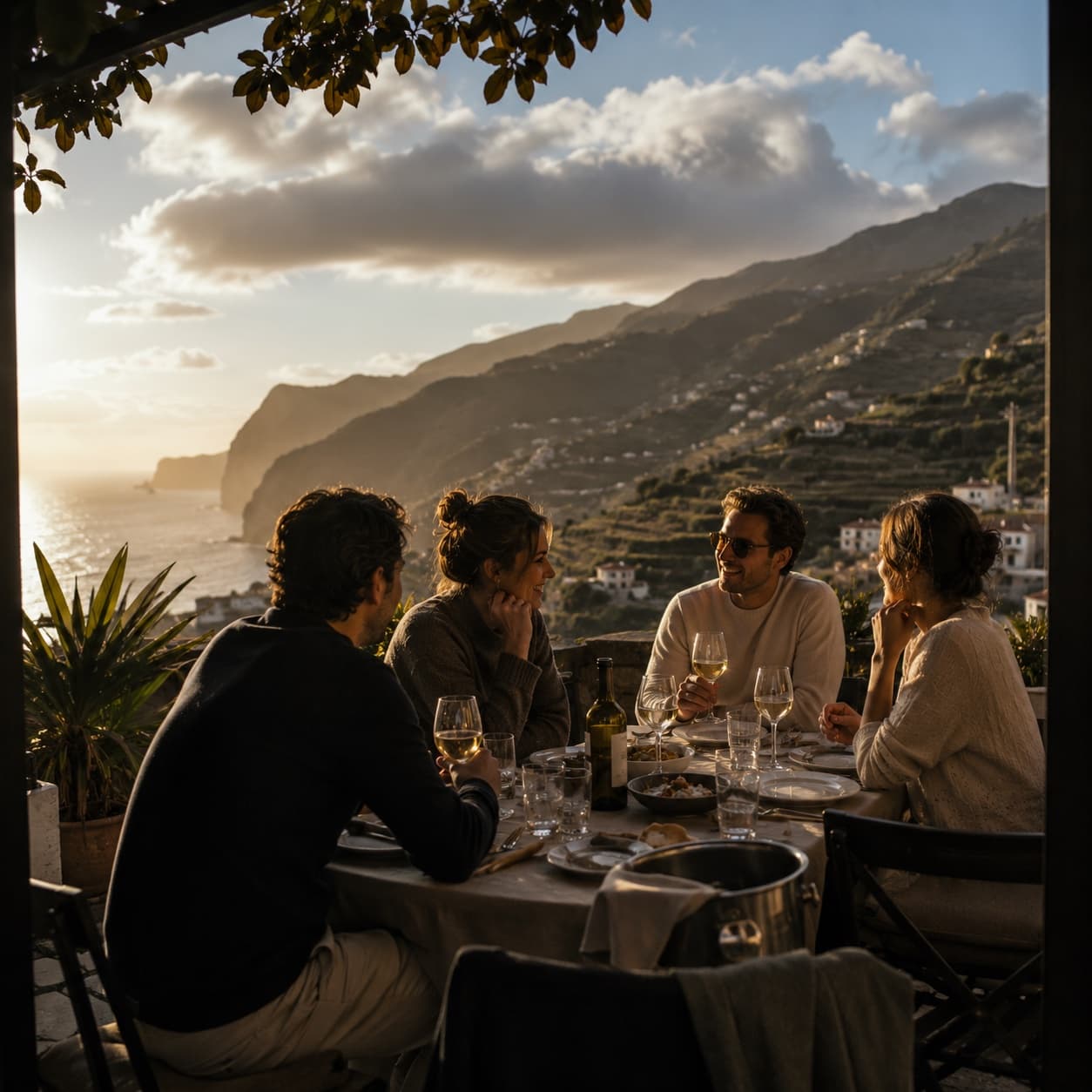
By half past four in the afternoon the light has already turned. It comes in low off the Atlantic and sideways across the banana terraces, and an infinity pool above Ponta do Sol holds it like something poured. It is the seventh of January. It is nineteen degrees. Somewhere north of here, most of Europe is scraping ice off a windscreen and booking the Canaries out of habit.
This is the corner of the map Europe forgets every winter. Madeira sits in a mild corridor of the North Atlantic, around three and a half hours from London, and spends the coldest months of the year at 17 to 19 degrees by the sea during the day. It is not a secret exactly. It is a reflex: winter sun means the Canaries, so the question never quite gets asked. This letter asks it.
Does Madeira in winter actually work?
Yes, and honestly. Expect around 17 to 19 degrees by day on the south coast, low golden light and the island at its greenest. Choose the south coast, choose a home with a heated pool and a fireplace, and Madeira in winter works better than its modest reputation suggests.
The Canaries will always be warmer. They will never be this green.
The honest winter: what it is and what it is not
First, what a Madeiran winter actually is. It is the lowest, most golden light of the year, a sun that never climbs high enough to flatten anything. It is the island at maximum green, the levadas running full, the waterfalls finally earning their names. It is rain that arrives in showers rather than in written-off days, and it falls unevenly: the north coast takes roughly twice what the south does, which is why the coast you choose matters more in February than it ever does in July.
And what it is not: a guaranteed beach holiday. The sea sits around 18 degrees in January, brave but honest, and there will be afternoons when a front comes through and the correct answer is a fireplace, a pot of tea and a long lunch. Anyone selling you a Madeiran winter without the occasional grey day is selling you a different island.
One more honesty, because the island is vertical. Winter at altitude is another season altogether: the high peaks turn properly cold, and in some winters a thin fall of snow settles on the summits for a day or two while the coast idles at 18. Treat that as a feature. Few places in Europe let you drink a coffee beside a warm pool in the morning and stand in frost before lunch.
Madeira or the Canaries for winter sun?
Let us be honest, because this comparison is the whole question. For pure winter sun the Canaries are warmer: normally three or four degrees more by day, a slightly warmer sea, a stronger guarantee of cloudless sky. If your winter has a single metric, and that metric is roasting on a lounger, they win. Book them and be happy.
What Madeira answers with is everything else. Green all winter, where the southern Canaries run to volcanic ochre. A mountain interior laced with walking paths and thousand-metre views. Tables that belong to a living town rather than to a resort strip. And a coastline where nobody ever built the mega-resort: the best winter beds on this island are homes with names, not blocks with buffets. There, the sun is the destination. Here, the sun is the light you live inside while you do everything else.
In January, the house matters more than in July
Here is what summer hides. In July almost any house with a pool works, because the island does the heavy lifting. In January the order reverses: the house is where the low light lands, where the evening happens, where the front passes over while you do not much care. Winter is what separates good houses from the right ones.
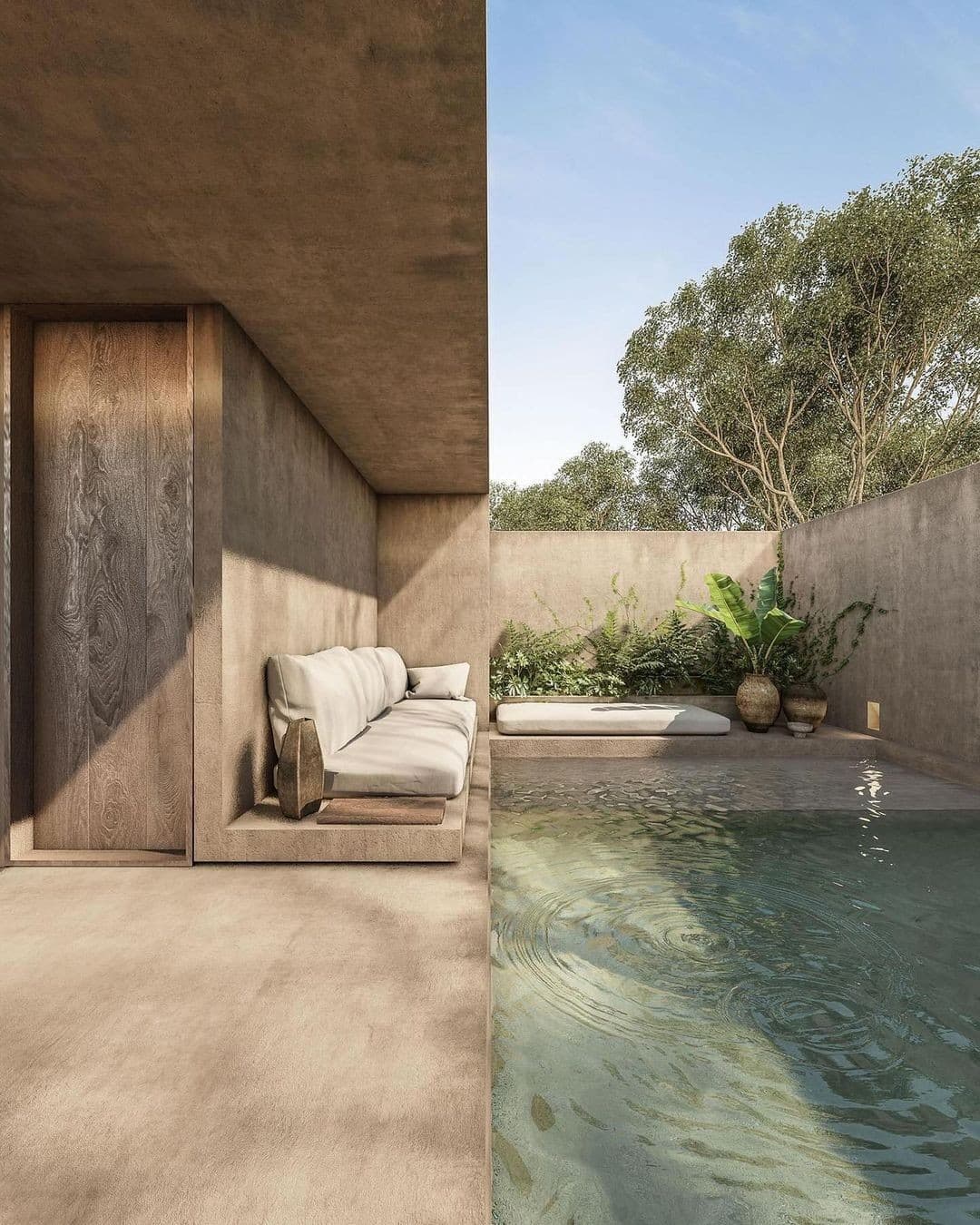
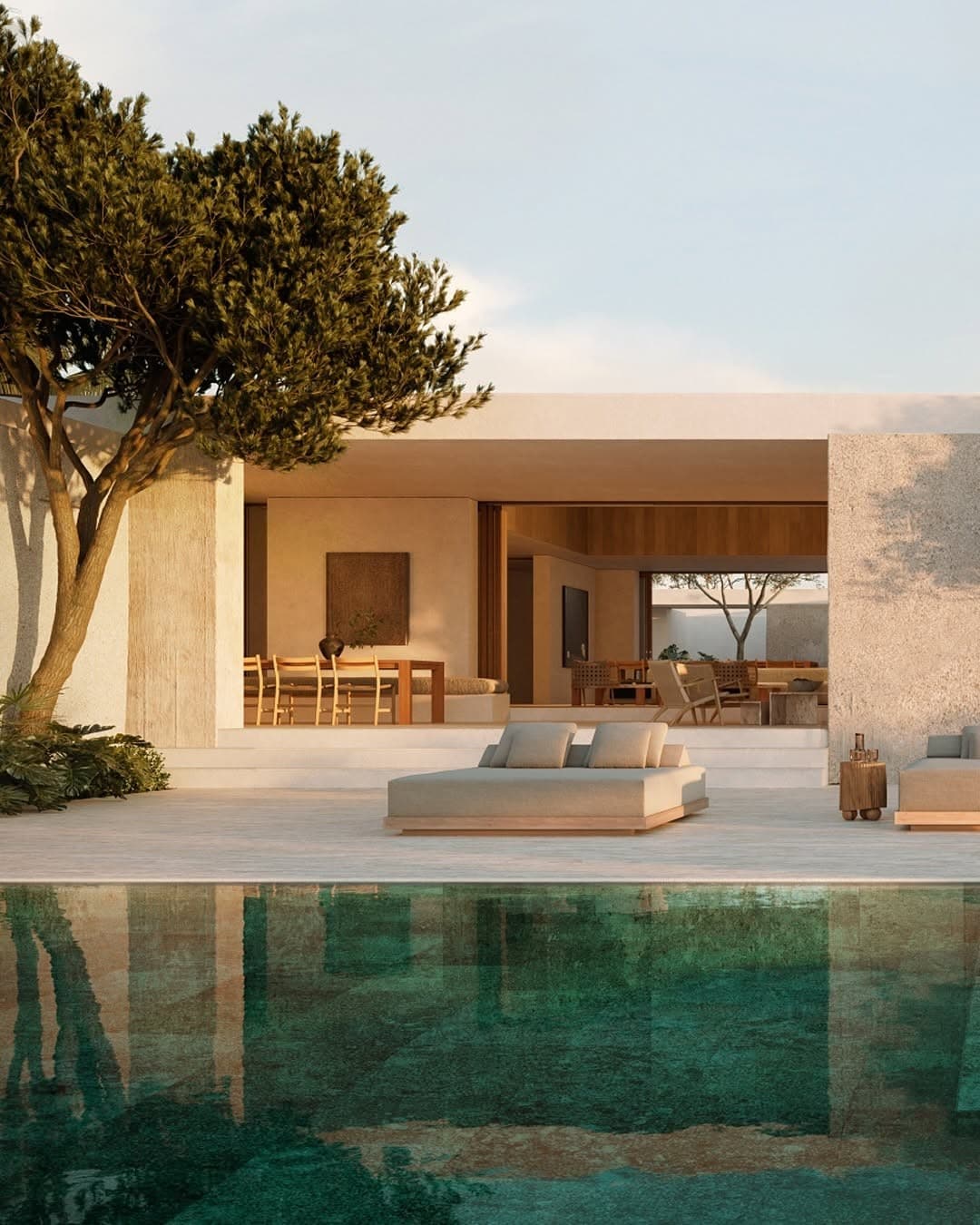
The right winter house has three things. A heated pool, because 18 degrees of Atlantic is a swim for the committed, and the pool becomes the daily ritual that organises the day. A fireplace, because a January evening exists in relation to what happens around it. And glass, real walls of it, because the one great luxury of the season is that low golden light, and a house that does not let it in is wasting the month. Every home in our collection was visited personally, and the winter question, where does the light land at five in the afternoon, gets asked standing in the living room.
It is also where our way of working earns its keep. Our team lives on the island and coordinates directly with each home's own staff, which in January means the practical things: the pool genuinely heated before you land, the wood ready beside the fireplace, an honest opinion on which coast your week's forecast favours.
What to do in Madeira in winter
Walk, first. Winter is when the levadas justify the fuss: the waterfalls run full, the laurel forest glistens, and trails that queue in August fall quiet enough to hear the water in the channel. The honest caveat: after a heavy front some paths close temporarily for clearing, so check conditions before committing to a long route, and keep a second one in reserve.
Then Funchal, taken slowly. The city in winter belongs mostly to its residents: pick a morning without a ship in the port and the old town is at its calmest. Order a poncha where the barman crushes it in front of you, walk the Mercado dos Lavradores for custard apples and chestnuts, and let lunch run long. This is the season the island eats best, because the kitchens have time.
And drive the north coast for the theatre of it. Watch the Atlantic detonate against the rocks and the natural pools at Porto Moniz from behind the glass of a cafe, with a warm cup and no intention whatsoever of getting in. In summer that coast is a swimming stop. In winter it is an opera.
Christmas, and an island that celebrates with fire
A short word on December, because it deserves a letter of its own and will get one. Madeira takes Christmas seriously on a scale that surprises first-timers: Funchal switches on its famous lights, the Market Night on the 23rd fills the old town until the small hours, and the New Year fireworks over the bay once held a Guinness record. The island calls the whole season the Festa. From around the 20th of December prices climb with the corks; on either side of those dates, winter stays calm and softly lit.
Off-Calendar: winter is exactly when the rates open
And now the part where the calendar and the wallet finally agree. Our Off-Calendar windows, reduced rates on the same personally visited homes, run from October to March: precisely the months this letter has been describing. That is not a coincidence and it is not a clearance sale. It is the same homes, the island at its most honest, and pricing that rewards the traveller who can move while the rest of Europe is not looking.
Who should not come in winter
We mean this kindly, and we mean it. If your perfect week is a lounger, a guaranteed cloudless sky and a sea you can stroll into without a sharp breath, do not come to Madeira in January. Go to the Canaries. They are genuinely better at that single thing, and you will be happier there. Madeira in winter is for travellers who want a place that is alive in its off-season, not a place switched on for their arrival.
For everyone else, the case closes itself: an island around three and a half hours from London, 17 to 19 degrees by day, green to the cliff edge and lit like the last act of a good film. Tell us your dates and what you are coming to do, and we will answer with the coast, the house with the fireplace and whether an Off-Calendar window covers your week. Reserve directly with people who have stood in that living room at five in the afternoon in January, and who chose the house because of it.
Written by